Sunday, March 23, 2025

Blog #6: Antiwar


Listen to Antiwar News With Dave DeCamp podcast | Deezer

After looking through the Antiwar website, it is clear that the objective of this website is to voice opinions on diplomatic relations that may not always be shown in mainstream media. Upon looking at the information on the website, it gives a different perspective on news stories that can be seen in the mainstream like on CBS or Fox. The perspective is more a criticism of the involved parties action. For example, the page includes an article titled White House: Trump 'Fully Supports" Israel's Gaza Slaughter which overviews the things that the current administration is doing to contribute to the conflict. Perspectives like this are important because they are focused on ways of mitigating the impact of these wars. While this is a news story that I may have seen on my personal news sources like this article from AP News about Trumps plan to gain ownership of Gaza, it is not always a perspective that is covered in the mainstream. It is also interesting to acknowledge any bias within the stories on Antiwar because like any news that we have today, it is all skewed or biased to match a certain political view. That being said, a website like this may not be easily accessible to the public because it takes some "controversial" stances on world relations and doesn't agree with the current or past administration's actions.


The second website looks a little more similar to those that we see in the mainstream media in a blogger style format. The satires are very similar to the ones on Antiwar, consisting of mainly criticisms of the United Stated with other countries, and the US Governments role in various crises. For example, this article overviews a potential disaster occurring if the US were to be at war with Iran, given the rising tension. The article is criticizing the responses from the US and the UK, among other European countries. Upon googling this same issue, an article from Fox News pops up which explains a similar story, but from the perspective of how the Trump administration is responding to it. Moving forward, it is important for websites like the two mentioned here to be accessed by the general public in order to keep people informed on all parts of an issue. Reflecting on why these websites may be censored, the US has a sense of patriotism that can sometimes border nationalism, which may cause some of these websites offering criticism to be censored. It is interesting to see news like this being censored given that there is a strong emphasis on freedom of speech. 


Saturday, March 8, 2025

Final Post: My Relationship with Technology

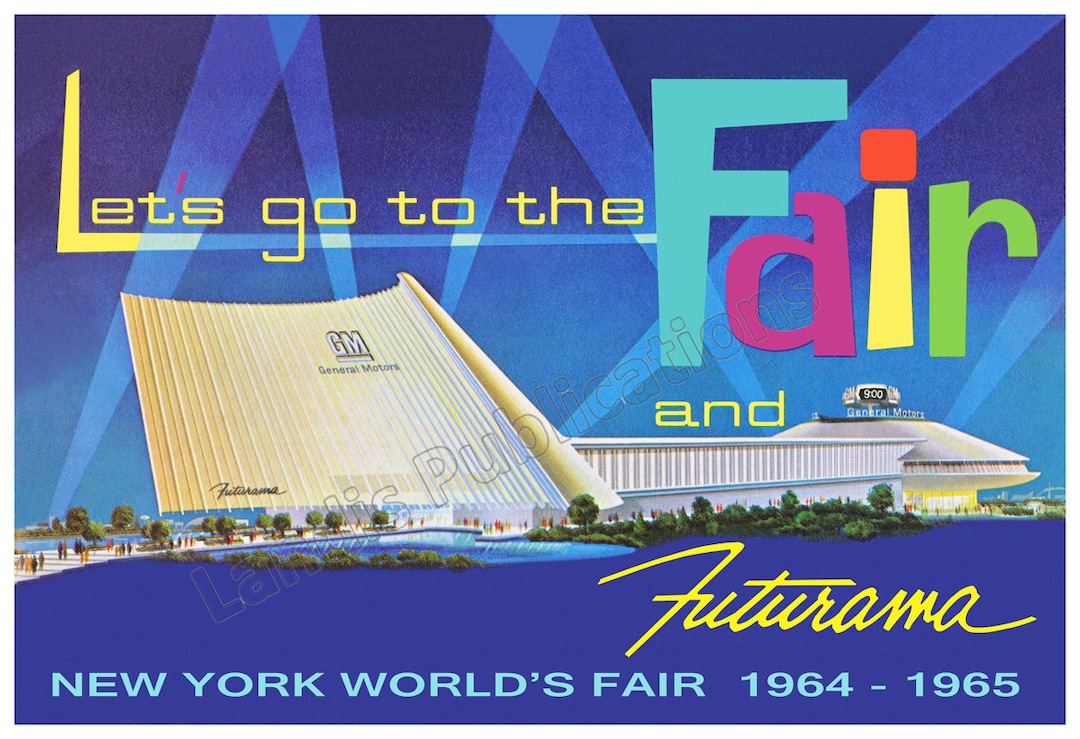
New York World’s Fair – GM Futurama 1964 Vintage Advertising Poster - Etsy

 It is no secret that the invention of technology has revolutionized our world in a countless number of ways. While the impacts of this amazing innovation have had both positive and negative consequences, we all have a different experience with technology. When you were born, where you grew up, your family dynamic, social class, and economic status are all things that factor in to your use of technology. During this Media Law and Literacy class, we have talked about technology and reflected on how it affects not only the world around us, but our own personal lives. 

To spark our reflection, we watched a series of videos that had different outlooks on technology. First was this video from the New York fair in 1964 that featured an amusement ride called "Futurama". While the features of the ride may have seemed outlandish at the time, they were quite hopeful for the future of how humans use technology. The ride included an increase of space travel, ocean exploration, and even a tourist attraction placed in the sunken city of Atlantis. Comparatively, these things do not entirely exist in the way that this ride fantasized about. When doing my own research, I looked at some of the predictions for modern technology innovations in 2025, and found this article from Forbes Magazine that outlines some predicted improvements in AI technology, among other things. The article points to increase in research on robotics as something that will pose a potential threat in the coming years. This was interesting for me to read because when I was growing up, having fully functioning robots was what seemed outlandishly futuristic, and now this is a technology that is being integrated into our society. 

Best iPhone in 2025: Here's Which Apple Phone You Should Buy - CNET

To highlight another incredibly influential piece of technology, especially in my life and the lives of other people born in my generation, is the mobile phone. I first got a phone when I was in sixth grade, which is surprisingly later than some of my peers. I remember how excited I was to get access to this type of technology because it meant I had access to a whole other world that had been created by the internet. I could now become connected with anybody I wanted to, and while it seemed exciting at the time, that brought up its own issues. Despite the entire billion dollar economic industry that the invention of mobile phones created, it wasn't all positive. I found an article that talks about a personal experience from someone in my generation and their experience with having access to such technology at a young age. From The Uproar , the author talks a lot about the value that Gen Z has put on phones and its role in our childhoods. I agree with much of what is said in the article because I feel the same way. By having access to this media at such a young age, my perspectives of the way the world works and my role the world was heavily altered. 

How Smartphones Affect Child Development | Psych Central

While researching some of the impacts that have been found when children have long exposure to the internet and devices, this article from the Conway Medical Center came up. They had many informational talking points that directly correlate to some of the issues that are seen amongst Gen Z, and things that I have found within myself. For instance, one of the main detriments to children using technology is that they develop a shorter attention span. This has absolutely happened to me, because I have found that I have a hard time focusing on homework or in a class that extends for a long period of time. Additionally, what is interesting is that the media has adapted to only make this problem worse. With things like TikTok and Instagram Reels which have a younger audience, they are meant to only entertain your attention span for 15-30 seconds. Even kids shows have become shorter, with episodes being only 20-30 minutes. Going back to my personal relationship with technology, I have tried to find new ways to build up my attention span again by watching longer shows and movies, and even taking a break from the screens and taking some time to read when I am in need of entertainment. 

Is Technology affecting the way we build relationships?

As I start to navigate my adult life, I make a constant goal for myself to find hobbies and interests outside of using technology in order to stay grounded. While technology has very positively impacted my life and allowed for me to pursue a career in media, it is important to set limits for myself. I try to build meaningful personal relationships through in-person interactions, because I believe that you can never truly know someone if you only know their online persona. As I continue my college career, I will continue to make myself aware of how technology is affecting my life, positively or negatively, and to make sure that I am keeping my focus on the moments of my life that I can't capture with technology. This class has been a great way to learn more about something I am interested in, while also helping me be very self reflecting. 

Tuesday, March 4, 2025

Blog #7: EOTO Reaction 2

 The second Each One Teach One presentations captured my interest, as they were all about theories. I am someone who enjoys studying behavior and trends among populations, especially as it relates to media, so I researched further some of the theories that I heard about from my classmates. Since the theory that I studied was all about how people interpret and change their acceptance on laws, it was interesting to see some of my classmates cover various ideas like technology, cybersecurity, and communication.

File:SixEyes UKUSA Agreement.png - Wikimedia Commons

The first presentation that caught my attention was about the Five Eyes (see Wikipedia page). This is an intelligence sharing alliance that dates its creation back to World War II. This includes Australia, Canada, New Zealand, the UK, and the US that shared information about different safety intelligence. Upon googling this theory, there is a copious amount of current news that is covering the five eyes. For example, this article includes a podcast style interview from The Atlantic that overviews how the current administration poses a possible threat to the unification of the Five Eyes. The article appears to be criticizing Trump for extending Russian talking points, claiming that the remarks posed as a threat to the alliances that the US made after World War II, including this one. I found this interesting because this alliance seems to secure a lot of information about safety, and exchanges resources. Many Americans may look at situations such as the one mentioned in the article as dangerous and a threat to the safety of the US.

The Five Eyes Have Noticed - Radio Atlantic - Apple Podcasts 

Another presentation that interested me was about echo chambers (see Wikipedia page). This theory stuck with me because it seems as though it is becoming more and more relevant as technology and social media evolve to allow everyone to have access to information all of the time. After further research, I found an article on GCF Global that describes echo chambers as "fueled in part by confirmation bias". I think this is extremely relevant and important because as social media algorithms are getting very complex at showing users the type of content that they are used to, it becomes very easy for users to fall into these echo chambers. When looking at current news involving this theory, I found an article from Forbes that points to peoples tendencies to only look at one side of political news, and how that has led to an extremely polarized society. The article distinctly points out the use of feedback loops within social media platforms which is why these users are seeing content and creators that align with their opinions. With the amount of fake news being posted, it is easy for someone to pigeonhole themselves into only seeing one side of media, especially as most people do not look at a variety of sources for their news. 

Echo Chamber - ECPS

Overall, I learned a lot from the Each One Teach One second projects, and upon further research I have realized that a lot of these theories and organizations are being heavily impacted today. Whether it is through social media, rising technology, politics, or overall access, people and their opinions are constantly changing and it is important to always be aware of the things that affect us negatively, especially in media. 


Sunday, February 16, 2025

EOTO #2: Terms and Concepts

For the second Each One Teach One, my group was assigned the "theories" section, with my given theory being Overton Window. Upon initial research, this idea has been written about in scholarly articles multiple times, including one from Oxford Academic Journal that discusses in depth some applications of this theory and examples of it. 

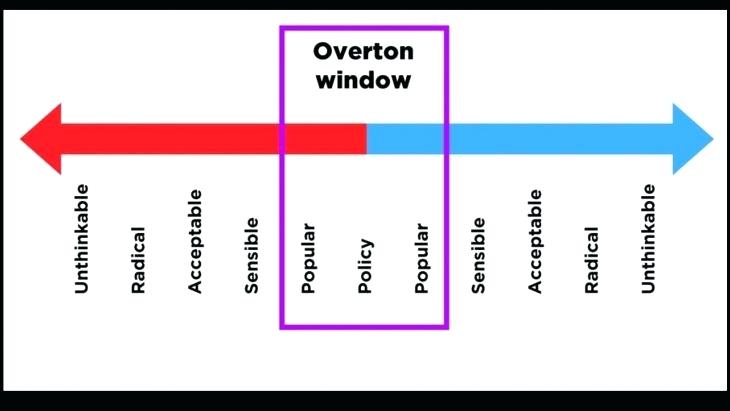
When looking for an introduction for this theory, I found a great article from the Mackinac Center. The brief description that they give of what the Overton Window is in the following quote, "The Overton Window is a model for understanding how ideas in society change over time and influence politics. The core concept is that politicians are limited in what policy ideas they can support — they generally only pursue policies that are widely accepted throughout society as legitimate policy options." This allows for me to take an introspective view on our system of democracy, as I look at different politicians' campaigns and how their policies may overlap with their competitors. The article mentions how the Overton Window can shift and either expand or narrow based on how societal norms and values differ. I think of this within issues that are considered "controversial" and how as a society we have become more accepting of diversity of opinion and people. The graphic below helps explain this idea in a visual way, that helped me conceptualize the scale of what people are willing to accept, and how policies tend to fall within the box of acceptance. 

Explainer: What Is The Overton Window? - Texans For Fiscal Responsibility

Going over a brief history of this concept, the term was derived from the creator, Joseph Overton. In this short article from the Center for New Liberalism, the term was coined in the 1990s and started simply as an observation. Many found Overton's observation of the way that politicians take a stance on issues as a given, because we are all subconsciously aware of the range of acceptability. After Overton died, Joseph Lehman carried on his observation and extended it slightly. Lehman was mainly focused on how politicians can push to expand this window by advocating confidently for a radical idea until it slowly became integrated into society and therefore normalized, expanding the Overton Window to cover it. An example that this article gives is of a left-wing activist named Sean McElwee who popularized the phrase "abolish ICE". This movement then took off and created a copious amount of social pressure on these offices. 

Joseph Overton - Wikipedia

As a Strategic Communications major, I am always interested in seeing how theories like this one play out in a Public Relations standpoint. Looking at this article from The PR Insider, the Overton Window theory has had a huge societal impact on how politicians hold their reputations. First, the article discusses how the window shifts in three main different ways: through change in societal values, through exposure to new information, and through advocacy. Looking at different moments in history, taking Prohibition, for example, the societal view towards alcohol slowly changed as exposure to its effects and its possible opportunities for the economy changed. This is also how the United States has become more open to diverse backgrounds, including the adoption of certain celebrations like Pride month, Black History Month, Juneteenth, and more. 

The article then goes on to discuss how the Overton Window is heavily intertwined with peoples political leanings, and the United States political parties. The biggest talking point here is about how politicians influence voter behavior, and can use that influence to shift the window. Voters are subconsciously using the Overton Window to assess policies that they believe to be "too radical" or unacceptable. Politicians then use this information shift their stances on policies in very minor ways to get the votes to expand their window, and therefore offer support to those politicians. From a PR standpoint, some of the strategies here include: shaping public perception and engaging with the media. As media has expanded with new technological innovations, everyone has access to this information so easily which, as mentioned above, is one of the ways that the window can shift. This means that for PR professionals, it is crucial to be engaging with the media and shaping their view of policies and politicians to match those who they are working for. 

Perceptions of Shifts in Public Opinion Are Wildly Off Base | Yale Insights

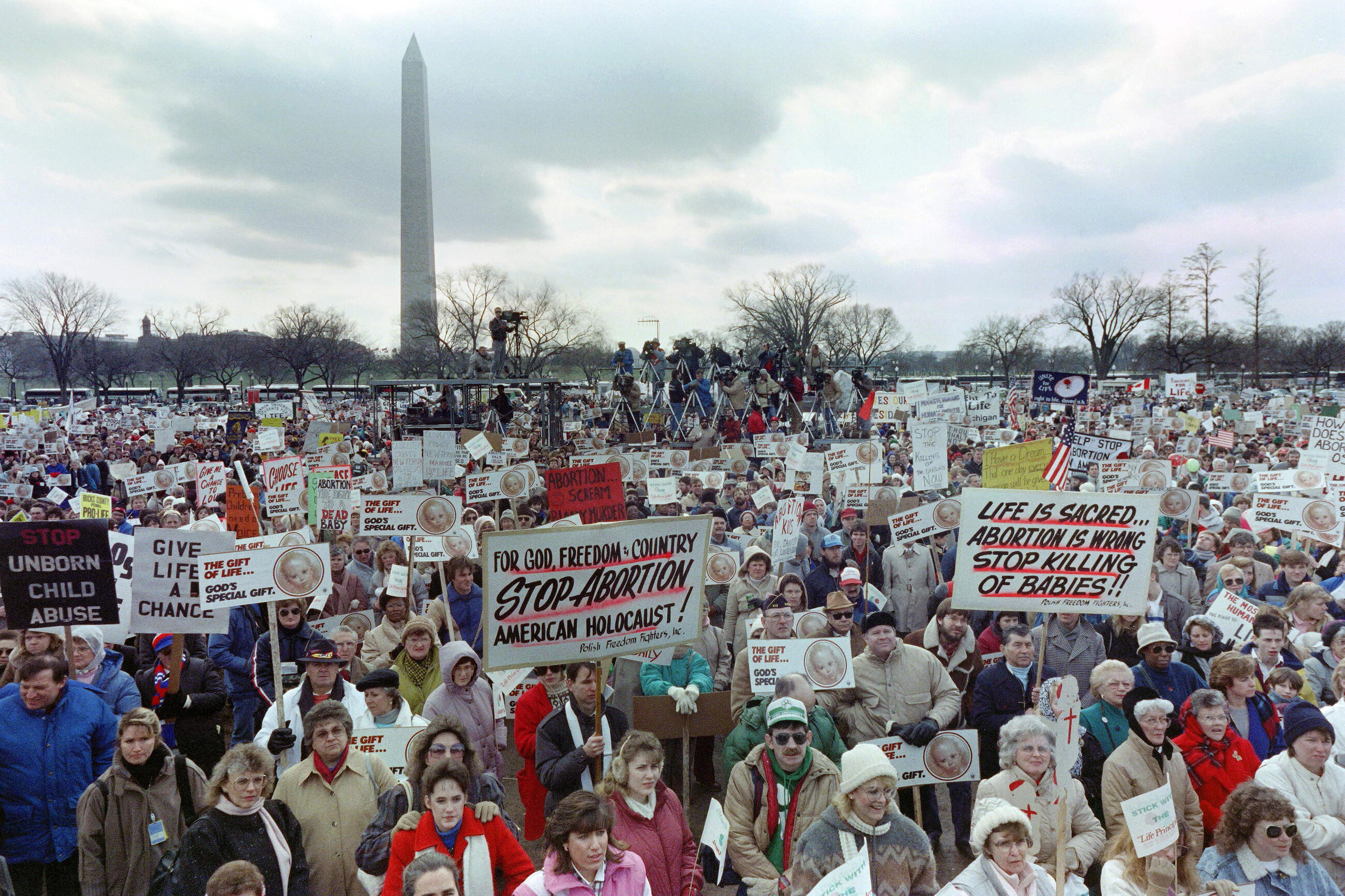
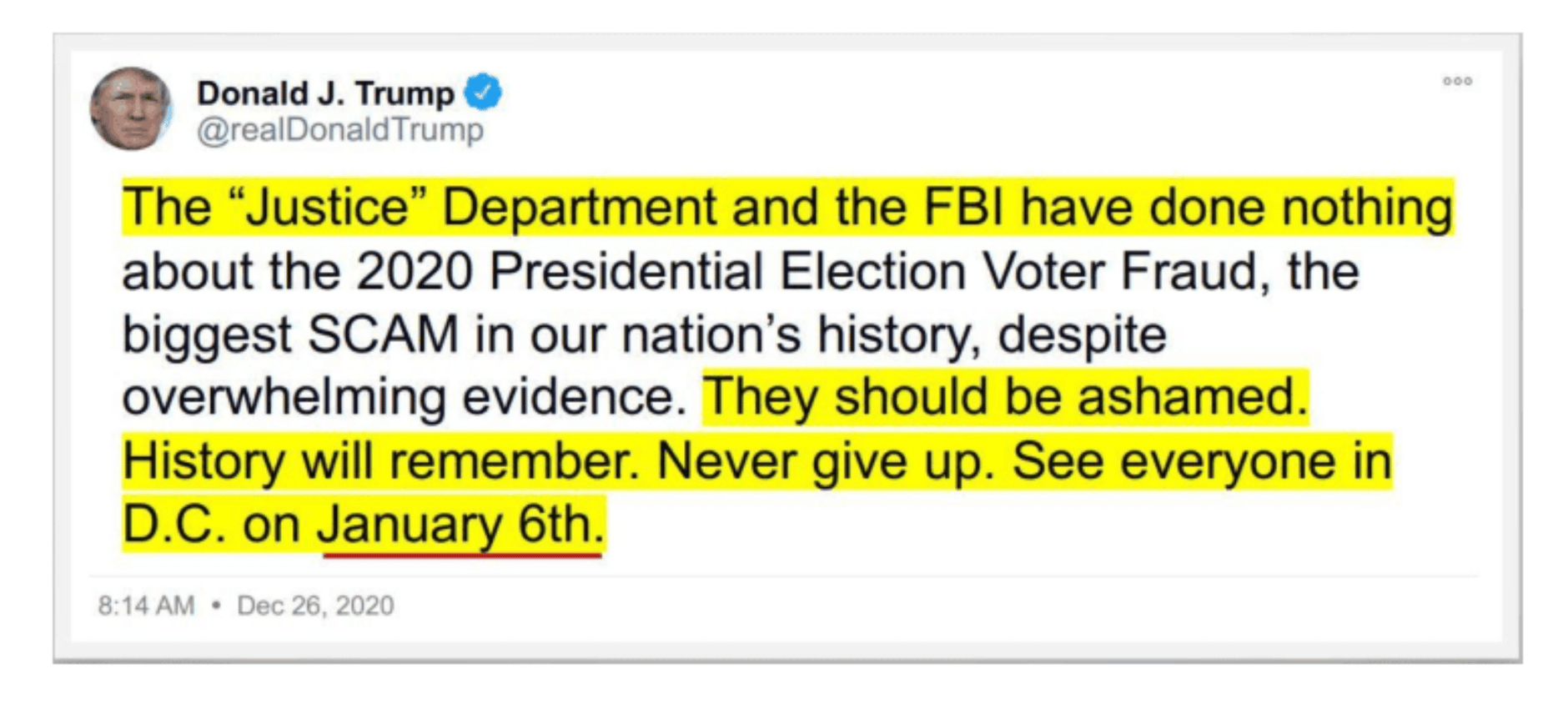
Lastly, to understand how this concept has been integrated into our society, it is important to acknowledge example of it over the years. This article from conceptually.org names a few. Women's suffrage is a perfect example of a shift in the Overton Window, because over time society has grown to value women more than they did in the 1950s. This is seen through the 19th Amendment allowing women the right to vote, the Equal Credit Opportunity Act allowing for women to apply for their own credit cards without the permission of their husbands, and more recently, the fight for equal pay in women's professional sports. It was through the spread of new ideas and the advocacy for these rights that society grew to change their opinions and accept these new social changes. Another thing that I think is interesting from this article that discusses Donald Trump and how he has attempted to shift the Overton Window throughout his first term. With him openly speaking about controversial topics especially through social media. This has shifted peoples perspectives over the past eight years to make ideas about some of these issues more radical. Overall, after learning about this concept, I am definitely able to see it play out in all aspects of our democracy, and I will be able to recognize these shifts. 

Trump ordered to produce records on Jan. 6 insurrection | Courthouse News  Service

Wednesday, February 12, 2025

Blog #5: Diffusion of Innovation

 Everett M. Rogers | Center for Advanced Study in the Behavioral SciencesAfter reading and learning about the Diffusions of Innovation Theory by Everett Rogers, it is clear to me that this theory was derived from something that happens often in modern society, especially as we are evolving to become centered around technology. To get a brief understanding of this theory, I visited the Wikipedia page for it, and then continued on with my own research. I found this article that clarifies the ideas seen on wikipedia more in depth. 

This theory is broken up into five "steps" of how something diffuses to become a part of the mainstream technologies, with a heavy emphasis on how the social structure accepts or rejects the innovation. To start, the first step is interest/knowledge. Connecting this to my subject from the EOTO presentation, there was a n interest in moving filing systems to be digital, coinciding with  the rise of computers and other technologies in corporate settings. Using this same article from one of my sources in the presentation, it is clear that the need for digital storage was becoming dire, and this creation found a solution to that. 

Company Logos Archives - Salesforce

The second step, as outlined by Rogers is persuasion. In my interoperation, this means that once the need is identified and the idea of how to fix that need is created, there is a need to persuade people into both understanding and agreeing with you. This came with one of the the first cloud computing companies, Salesforce. Simple persuasion techniques show that when there is an established need for something, people are more likely to buy it. The this step is evaluation/decision. This is essentially where the work to create whatever the idea is begins. This step is outlined in cloud computing as the creation of the cloud, with the name and functionality of it. Important to note that Rogers also put emphasis on evaluating this innovation to make sure it was still answering to the need that was identified in the second step.

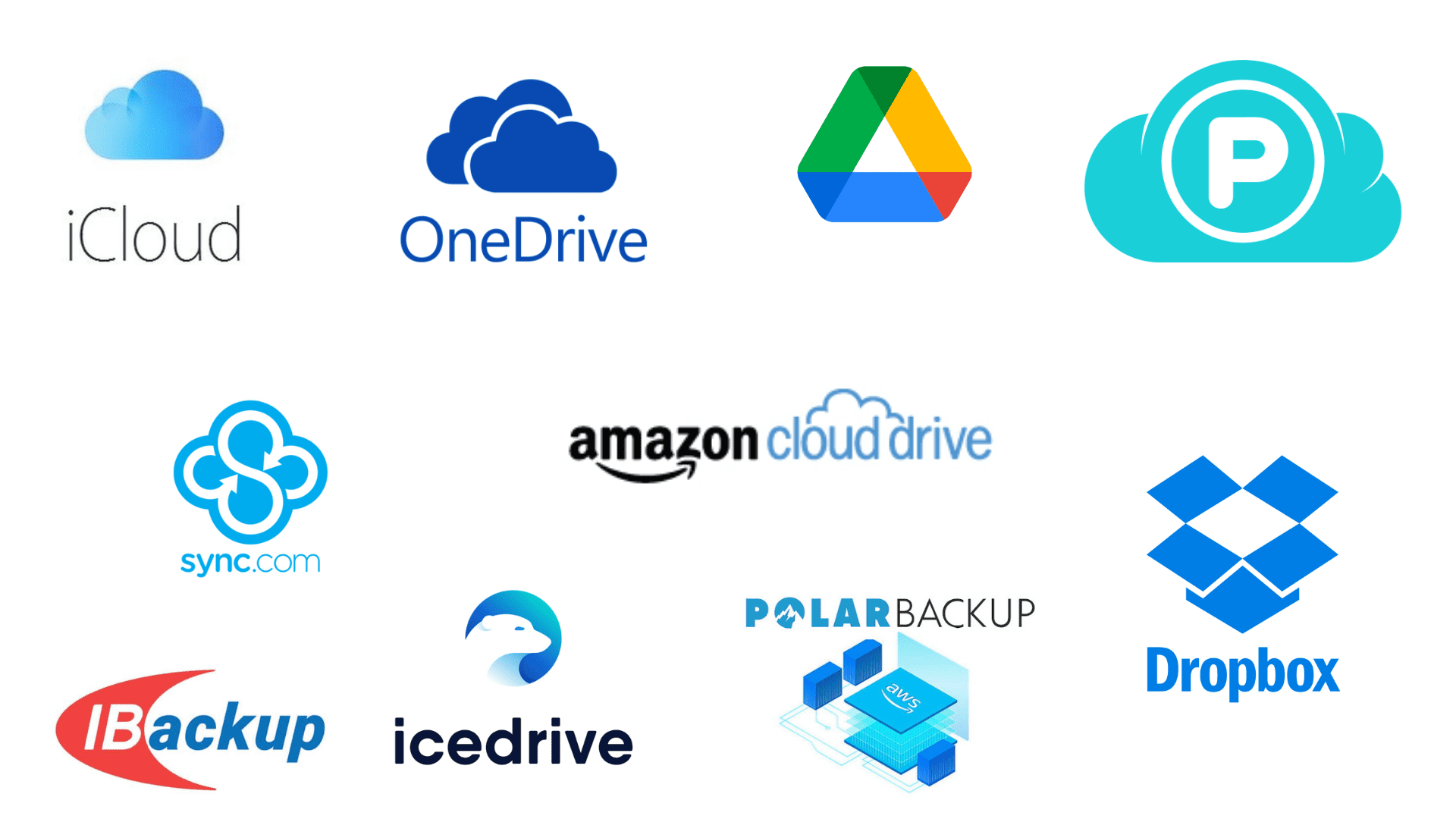
Lastly, step four is trial/implementation. This is often where many innovations will either take off, or the idea will trickle out. Cloud computing was luckily enough a huge success, though it did face its challenges with adaptability as people were needing data storage spaces for both public and private information. This then brings in the final stage, which is adoption/confirmation. Cloud computing became widely popular and then led to the creation of some iconic companies that are still used today like Amazon Web Services and iCloud. Then, the innovation can diffuse fully into society and become an integral part, just as cloud computing has for us. Nobody thinks twice about saving a photo or uploading a document to the storage, because we have had this innovation for so long that it is part of our society now. 

Diffusion of Innovation - Urban Adolescent SRH SBCC

Saturday, February 1, 2025

Blog #4: EOTO Reaction

After watching the Each One Teach One presentations, I learned about many new types of communication technology, their origins, and their proposed challenges. I also had the opportunity to learn some new facts about technology that I had previous knowledge on. Some of the presentations that interested me were about the inventions of the bluetooth, instant messaging, and paper. Additionally, I had already known the backstory of how the TV came to be, but I learned a few new key facts. 

File:Blutooth.jpg - Wikimedia Commons

Starting with bluetooth, the presenter stated some facts that I had already known like the reason why bluetooth was created, as a way to be able to form connection between devices without using so many wires. This makes sense because I have heard both of my parents talk about how they appreciate bluetooth as an invention, because it made their work experience more efficient and not have to carry around so many connectors on a day to day basis. What I learned from the presentation that I had not already considered were the setbacks of this invention, like the issue with battery drain. I then looked into a brief history of Bluetooth using this article. In my experience, any bluetooth divide that I own tends to drain in battery pretty quickly besides my Beats Studio Pro headphones, but those are on the newer side. This would make sense because over the years manufacturers have put better batteries in bluetooth devices to combat this issue. 

File:Papyrus 1 REM.JPG - Wikimedia Commons

Another presentation that interested me was the invention of paper. I had never thought about this much, as it has been a baseline part of my education and life so I hadn't reflected on a time where it possibly wasn't around. Paper was one of the first versions of technology that allowed for long distance communication, and revolutionized the trade industry. It is interesting to think about how the invention of paper led to the creation of currency and paper money, which changed the way that trade worked. I then researched this on my own, finding this introductory article about how paper changed the world, to gather more info. Looking at modern society and how everything revolves around money, it would be interesting to see how our trade industry would look if paper hadn't been invented in the same way. 

Instant messaging over laptop smartphone multiplatform ill… | Flickr

Lastly, one more presentation that I learned a lot from was about the creation of instant messaging. Similarly to paper, this type of fast communication helped heavily with long distance challenges. They mentioned that the first form of this was Internet Relay Chat, which I then read the wikipedia page on to gather more base info on. I didn't previously know that this was used primarily in the government to oversee government crises, but it makes sense that this would be a preferred form of communication as many of these processes need to happen quickly and with clear communication to make sure that the government is working most efficiently. Additionally, the presenter mentioned how this also led to a rise in the spread of misinformation, which made me think about how much of the news I get, as mentioned in my first blog post, is through my friends who will use instant messaging to tell me something. Overall, I enjoyed engaging in this project to be able to teach my peers about my topic, and I learned a lot of new things about other forms of technology. 


Tuesday, January 28, 2025

EOTO #1: The History of Cloud Computing

 What Is Cloud Computing? The Ultimate Small Business Guide | Bionic

As forms of communication develop and new media arises, the need for a place to store these becomes dire. Thus, a new form of technology arose: Cloud Computing. In a Brief History of Cloud Computing, this dates back to 1969. Conversations around the need for this type of innovation started in 1963, as stated in the article. DARPA, which stands for the Defense Advanced Research Projects Agency, recruited MIT to be part of a $2 million project to create a way for two people to be working on one computer at the same time. An important term that came up during this time was "virtualization" which changed meaning at technological access to the internet expanded. By 1990, virtualization was used as a way to describe the use of computers, and how that led to the modern cloud computing.

Later, the article goes on to mention how this new form allowed for companies to be more efficient within their virtual storage. It mentions the launching of Amazon Web Services as a pivotal moment in the virtualization of storage, as this company specialized in helping other companies. This part was interesting to me, because my sister worked for Amazon Web Services, and did a lot of the consulting for the sales aspect, so it was nice to see the origin of that type of work. Additionally, that is when Google launched Google Docs along with Google Spreadsheets, which had a similar reaction amongst companies and web services. 

Top 10 Managed Cloud Storage Providers / Solutions

While these developments helped these big tech companies with their storage, the process was highly privatized as they were not able to adapt their cloud to fit the needs of all companies. Arguably the most popular, Apple launched the iCloud storage feature in accordance with their growing profits on phones and other devices. This was unique to apple because it allowed for not just documents to be stored, but larger files like photos, videos, and music, which the public enjoyed because it helped create an online world where people could keep the more personal parts of their lives. 

Now this major development in storage technology had taken over, but with it came many concerns and issues. One was about cybersecurity. With all information, personal photos, documents, etc, being stored in one place, it was easy for online criminals to access and take over this information. In this paper on scrip.org, the dangers to cybersecurity through cloud computing are discussed. One of the main outlined concerned of this is that the adaptation of the cloud allowed for multiple sources of digital "ecosystems" allow for criminals to hack into multiple systems at once, which can be detrimental to companies. Additionally, the virtualization of private information increases risks of breaking confidentiality within workplaces. 

As a possible combat to this, the paper mentions that the growth of the big cloud services has provided easy access to security measures to protect from cyberattacks, that would not be viable within the budgets of smaller companies. Lastly, the paper mentions that because of the way cloud is designed with what they call "security governance frameworks", they often can identify risks and take care of them as they come up, which eliminates a lot of smaller cybersecurity attack attempts. On a smaller scale, many new companies have been able to profit from their services to these big companies like Amazon Web Services, and iCloud. 

Cyber Security - Cloud Services | Sharvyn Shankar

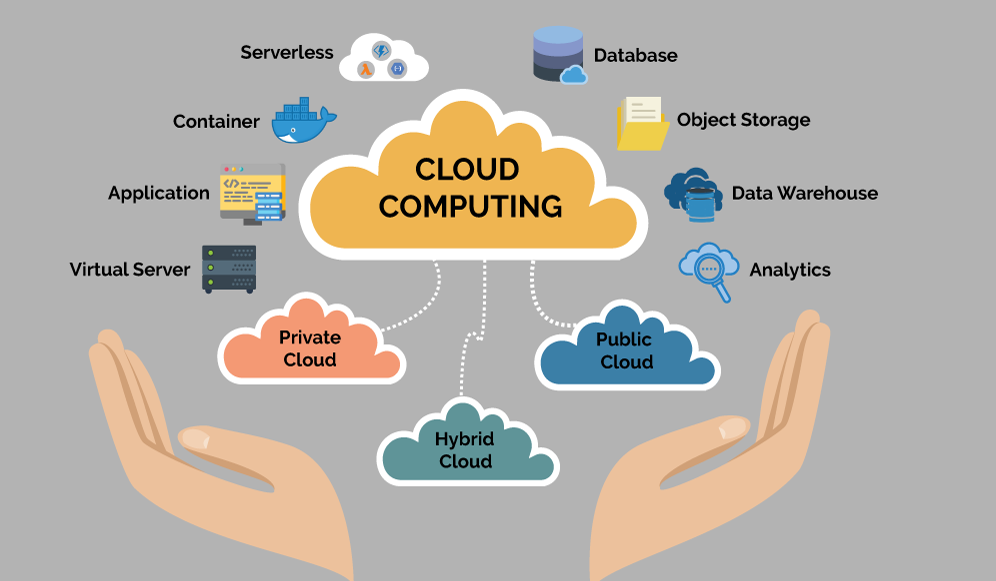
Finally, some of my favorite small facts when researching the history of cloud computing, came from a lighthearted article titled 88 Cloud Computing Facts for 2024. Some of the highlights are that the term "cloud computing" was created in 1996, 89% of companies use a hybrid cloud which means that it is both private and public. Additionally, 55% of of the 2022 market shares came from cloud companies and 60% of the world's corporate data is stored in a cloud. After learning about the history, setbacks, developments, and challenges within the creation of the cloud, I have a better idea of how this fits into my life, as it was something I had little to no prior knowledge of. Next time I go to save something to my cloud, I will be aware of where it is going and how it gets there! 

What Is Cloud Computing? | PCMag

Thursday, January 23, 2025

KEY POST #1: Eight Values of Free Expression

 After learning about the emergence of the First Amendment, I can recognize controversy around the implications of this all throughout American history. Additionally, after reading about the eight values of free expression, there are a few that stood out to me as being most relevant today, which innately were the few that I resonated with the most. One thing I considered when reading these was which ones stood out to me as most important, or with the potential to do the most harm.

Why Should Speech Be Free? - Yale University Press

1) First, when looking at John Milton's Marketplace of Ideas, it is important to note that this is very relevant in modern America. Published in 1644, this pamphlet argued the requirement of of print media to be licensed for publishing. In my opinion, I agree Milton's opinion because the First Amendment allows for anyone to be able to voice their opinion without censorship. Looking at an example of this in recent times,  if someone were to post their opinion on a new bill that Trump was trying to promote, and that comment wasn't able to post because the company required some for of licensing, that would be against Milton's idea. 

2) Alexander Meiklejohn's Free Speech and It's Relation to Self-Government expresses the importance of government candidates being able to use free speech within their campaigns. Within this, Meiklejohn argues that candidates practice transparency and build better rapport with their supporters. A modern example of this is in an article from northjersey.com from September of 2024 outlining a situation that happened on social media during the Covid outbreak. In accordance with the CDC and governmental pressure, many CEO's (the article named Mark Zuckerberg) were pressured to censor the anti-vaccination opinions within their apps because it did not align with policy that was coming directly from the government. This goes against Meiklejohn's idea because in the 2024 election, the candidates should have been allowed to side with however they felt, but were instead pressured to agree with the CDC policy warnings. 

3) This idea overviews Benedict Spinoza's Stable Change argues that allowing for everybody in the United States, including those that feel alienated, to have free speech could help mitigate some of the political and economic tension that arises. While this idea was introduced within the 17th century, in my opinion, it s still highly relevant today. Using social media as a modern example, people are able to connect through shared ideas and opinions, and it is often that sense of community that can foster positive change, versus resulting in hate. Although, it can be argued that while social media can be harmonic, it can also be very polarizing because the lack of in person confrontation can give people more freedom to speak their mind with no remorse. 

File:Benedictus (Baruch) Spinoza (anoniem schilderij, Gemeentemuseum Den  Haag), Bestanddeelnr 935-0843.jpg - Wikimedia Commons

4) The idea of individual self-fulfillment as it relates to free speech comes from C. Edwin Baker's Human Liberty and Freedom of Speech, which was a book about his thoughts and opinions regarding the betterment of the country in regard to the First Amendment. He takes a more philosophical approach to this because it is all about how freedom of speech can contribute to human dignity and overall harmony. In this article from Alliance Defending Freedom, there are named artists who have fought for the importance of free speech. This furthers the idea that without the freedom to express oneself, creativity and human dignity cannot thrive. 

5) This theory is my favorite and one that I think is most important out of these eight. Vince Blasi overviews the importance of checking on governmental power in his article Checking Function of the First Amendment. In my opinion, this is arguably the most relevant take on the First Amendment because politics has swelled to become so polarized and filled with false information that it is important for the American people to be able to fact check the sources that they are reading. Additionally, as social media has grown to allow access to constant surveillance of information, it can become difficult to see that the government may be violating the First Amendment behind the scenes. This recent article from CBS news covers a hot topic that was about the Supreme Court's authority to censor social media apps. This is extremely relevant with everything that just happened with the TikTok ban, and furthers the idea of question the governments authority to censor these apps that promote free speech.

6) On a more empathetic note, Lee Bollinger introduces the idea of promoting tolerance through his book, The Tolerant Society: Freedom of Speech and Extremist Speech. I enjoy this theory because as an empath myself, I am always willing to look at things from another angle and try to understand opposing prospectives from my own. Through this, Bollinger is advocating for the protection of extremist speech for the betterment of the longterm outcome. Tolerance is relevant especially in government today, as opposing partied become more polarized. 

File:Lee Bollinger - Daniella Zalcman less noise.jpg - Wikimedia Commons

7) Similar to the previous idea, Jack Balkin promotes the idea of free speech being able to cultivate innovation, as outlined in his Living Originalism. I agree with his idea because I too believe that people thrive more in a place where they feel comfortable having and sharing their opinions, no matter how different they can be from the majority. Sometimes in our modern dynamic within America, this idea can get lost within hate and resentment, so it is important to remind ourselves as communities that we are all valued. 

8) Lastly, Steven Shriffin's Dissent, Injustice, and the Meanings of America connects heavily to the third freedom of expression by Benedict Spinoza. They are both emphasizing the importance of the opinions of those who do not hold as much power in communities. Time magazine wrote an article about the LGBTQ+ movement  and how the proposed "Project 2025" plans would affect the progress made by this community. While this set of policies was deemed untrue, it helped rally this community and give them a voice, which is directly connected to this idea of protecting dissent. 

What's Really Behind America's 'Free Speech Problem' : 1A : NPR


Tuesday, January 21, 2025

Blog # 3: Privacy, Online, and Off

After watching all four videos about privacy, there were many points of interest that I wanted to address. One was in the first video, with his visual representations of a "digital footprint". Going through school I was always taught that things that are posted on social media can be accessed by anyone and stay on the internet forever, which introduced me to this idea of a digital "tattoo". I think it is interesting to think of how companies now use this to their advantage, especially when it comes to advertising. However, it poses a question about cybersecurity in regards to technology having this ability to remember everything. In my opinion, it is quite uneasy to think about. What is Risk-Based Vulnerability Management? - Wabbi

The second video was a way to think about privacy as it pertains to the government level, versus a personal level like the internet in the first video. I think it is interesting how the purpose of traffic cams is to catch speeding or to be used by police in case of an emergency, but that function is often abused. The other thing that I found intriguing about this video was that there is nothing we as the citizens can do in the moment about the collection of this data, because it is not something that we are able to avoid as we travel. It raises another question, similar to the first video, about ethics within technological privacy. 

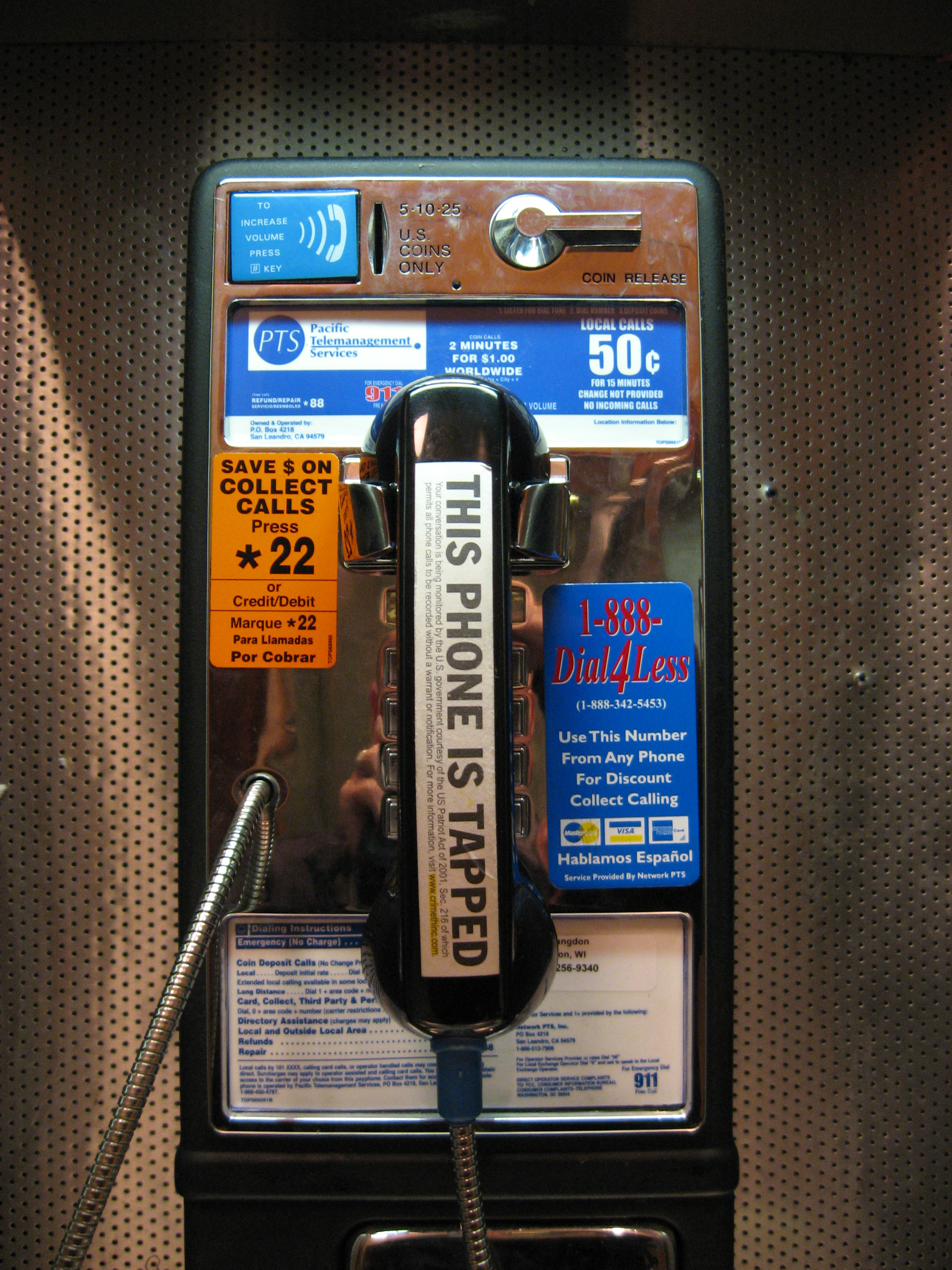
File:This Phone Is Tapped.jpg - Wikimedia Commons

The third video covers another part of the government in regards to privacy, with the FBI. The topics covered in this video were something that I had been mildly aware of previously, as oftentimes I was taught to be aware of talking on the phone, especially with someone who I don't normally talk to. What is interesting is when researching this topic online, the official FBI website has a page with a statement regarding this rumor, in which they deny any and all use of wire taps. This video put into perspective for me how easy it is to get access to this information that is seemingly so private to people, and can be as simple as a conversation. 


The last video was a successful gateway into connecting the first three videos together, as it covers something that is very relevant today. Using technology can be a way for people to control whatever they want to, by using the threat of posting it to the public. Starting the conversation around this type of security to a judicial level is important to me, as I believe that this type of misuse of technology is wrong, and unethical. I took this into my own research, looking at the law in my home state, Vermont, and comparing it to the law in North Carolina where I go to school. Overall, watching these videos helped me become more aware about how modern technology can be dangerous, and how I should always be careful about my susceptibility to these types of situations. 

Free Images : computer, technology, communication, security, website,  social media, police, facebook, multimedia, screenshot, www, communicate,  social networking, social network, internet page, networks 2339x1654 - -  491421 - Free stock photos - PxHere

Saturday, January 18, 2025

Blog #2: The Supreme Court

    File:Panorama of United States Supreme Court Building at Dusk.jpg -  Wikimedia Commons

After watching PART I and PART II of the Supreme Court videos, I have many new insights into one of the most important systems in our country. I find it incredibly intriguing that a document created on the foundations of our country can hold such precedence in our judicial system, and I am glad that we have created a system that upholds those values. I had prior knowledge about the structure of the Supreme Court and the number of justices, as that is something I learned throughout high school. Recently, I have been keeping up with news around controversy within lengths of terms, and I find this debate to be an important one as it relates to the value of experience versus the value of new perspectives. While other positions within the government have term limits, Supreme Court justices can serve for as long as they choose, causing some conversation about the ethics and efficiency of that, given that they are appointed by the president. 

  Given that I am not a person who has studied the judicial system in detail, I learned a lot of new and valuable information. For one, I did not know that the Supreme Court is presented with about 7,000 cases per year, and only take about 100 of them. In hind sight, this makes sense given the importance of the cases that the Supreme Court take to trial. Additionally, I learned a lot about the situation of justices being split within opinion, and how that changes while multiple drafts are created of the official court opinion. I had never looked into how complicated that process is and how much work goes into it. 

 One of my biggest takeaways was that the general public did not always accept the Supreme Court and support it because of how controversial the decisions can be, especially when it came to the abolition of slavery. Thus, John Marshall gained the respect of the general public by reminding everyone of the purpose of the court, to uphold and make decisions based on the Constitution. Similarly to the controversy around Supreme Court justice term limits, I find it notable how our country is constantly changing and adapting to new social, economic, and political circumstances and how in turn our judicial system is adjusting as well, while always staying true to keeping with the Constitution. These videos have allowed for me to reflect on my own role as a contributor to the United States systems, and how I can do my part of staying educated on these issues to ensure that I am holding the judicial system to a high standard. 

Saturday, January 11, 2025

Blog #1: Top Five News Sources

As media is evolving to allow a constant flow of information to everyone, it is important to mitigate news sources in order to try and get the most accurate information. I usually will hear about something through word of mouth, and then look into the facts and stories later on by myself. My five top sources of news are as follows. 

1. TikTok

The popular social media app is by far one of the easiest places to get news. With the nature of the app including short, 15-30 second clips, it is easy to outline the big stories. Whether it is a real news channel posting on their own account, or popular creators who "learn the facts for you", I will see the major facts and events of a story on TikTok. That being said, I recognize that information can be spread on the app without being true or accurate, so I will often use a secondary source to fact check anything I come across on TikTok. 

TikTok Claims the App Now Tops 1 Billion Daily Active Users

2. Apple News

I frequently use the Apple News App as a secondary source to verify the context of stories that I have seen from somewhere else. With the app on my phone, it will send me a notification when a news story is dropped, making it very easily accessible. The stories are always timely and relevant, and I particularly used the app during election season to get the most accurate updates. Similarly to TikTok, I find myself using this app in accordance with some other news sources, to try and minimize any bias. 

Apple News+ - Apple

3. Word of Mouth

I am constantly surrounded by different groups of people whether it be my friends, family, members of an organization I am in, or classmates. As media has ramped up in terms of popularity and relevance, I often find that the people around me are constantly talking about some type of news. This is how I will usually first hear about a story, and then later can go to my secondary sources to read more into it. I find that in many of my classes because they are so based in examining the media, I learn stories before I see them on any social media.

Is Word-of-Mouth Marketing the Best Form of Marketing? | Brand24

4. AP News (Associated Press)

As I learn about reputable news sources and see the impact of "fake news", I try to have at least one news source that is nearly free of bias. During election season, AP News was giving factual updates about election processes and outcomes, without providing and opinion. I found this helpful when I would have conversations with friends or family about the election, because I felt confident that I had the most accurate and up to date information. I mostly use AP News to get the straightforward events of the story, without looking into the social or political commentary on the story. 

Associated Press - Wikipedia

5. New York Times 

The New York Times is a news source that I don't check often, but I will use it when I am looking at different angles of a story. I like to see how the information from NYT differs from that of AP or Apple News, so that I can broaden my perspective on the issue and formulate my own opinion. While I recognize that this news source can introduce some bias, I do not rely on it as my only source of stories so that I can make sure I am not introducing bias into my opinions. This has been a news source that I have known the most about, especially when I was younger, so it has always been part of my top five. 

Unlimited Access to The New York Times | Fondren Library